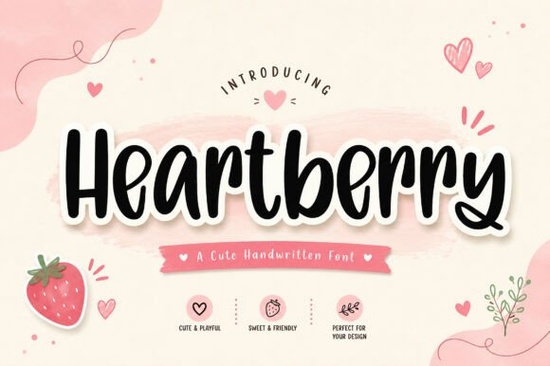
If you're looking for a friendly, warm handwritten font that works well across greeting cards, stickers, wedding invites, or even small-batch product labels, Heartberry Font is a thoughtful choice. It’s not overly decorative or hard to read just sweet, smooth, and genuinely hand-drawn in feel. You’ll notice how naturally it flows in both uppercase and lowercase, with consistent spacing and gentle curves that make it easy to pair with simpler sans-serif fonts or use on its own.
What kinds of projects does Heartberry work best for?
Because it balances charm and clarity, Heartberry fits comfortably into many real-world creative workflows. Crafters using Cricut or Silhouette often pick it for layered vinyl decals or handmade tags it cuts cleanly and reads well at small sizes. Print-on-demand sellers find it especially useful for Valentine’s Day collections, baby shower announcements, or bakery branding where warmth matters more than formality. Small businesses selling candles, soaps, or organic snacks also use it for labels and social media posts because it feels personal without being childish.
It’s also multilingual PUA-encoded, so if you’re designing for audiences beyond English like Spanish, French, or Portuguese speakers you won’t hit missing characters mid-sentence. And since it includes numbers, punctuation, and stylistic alternates, you can build full sentences, prices, and contact info without switching fonts.
How does Heartberry compare to other popular script fonts?
Unlike bolder, high-contrast scripts like Wedding 10 Bundle Font, Heartberry leans lighter and more relaxed better for everyday charm than formal elegance. It’s less rustic than Rustic Pantry Font, which has visible texture and ink variation, and softer than Honey Notes Font, which adds subtle flourishes. If you’ve used Wedding Beauty Font for bridal stationery, you’ll appreciate Heartberry’s gentler rhythm ideal when you want sweetness without drama. And while Dellanor Script Font offers elegant swashes, Heartberry stays grounded and legible, especially at smaller sizes or on textured paper.
Where do people actually use Heartberry in practice?
- Greeting cards: Paired with soft watercolor backgrounds or simple line art it adds personality without competing.
- Wedding stationery: Used for names on invitations or “RSVP” lines, especially for casual or garden weddings.
- Stickers & labels: Works well on kraft paper, matte vinyl, or clear sticker sheets no thin strokes that disappear when cut.
- Social graphics: Great for Instagram story text overlays or Pinterest pins where readability matters in under three seconds.
- Small-batch packaging: Think jam jars, soap wraps, or tea tins where customers respond to authenticity over polish.
One thing users consistently mention: it scales well. Whether you’re setting it at 12 pt for a business card or 120 pt for a wall quote, the letterforms hold their shape and friendliness. No awkward gaps, no cramped joins just steady, cheerful handwriting you can trust.
A few practical tips before you download
Try pairing Heartberry with a clean, neutral sans-serif (like Montserrat or Open Sans) for contrast especially in logos or product listings where hierarchy matters. Avoid stacking too many script fonts together; one expressive voice is usually enough. And if you’re using it for Cricut projects, check your software’s “cut settings” for fine lines the lowercase “g”, “y”, and “j” have gentle descenders but aren’t overly delicate.
Also worth noting: while Heartberry is designed to feel handmade, it’s carefully kerned and spaced. That means less manual adjusting in design apps and more time spent creating instead of fixing spacing issues.
Before you add Heartberry to your next project, ask yourself:
- Does this need warmth more than formality?
- Will it be seen up close (like a tag) or from a distance (like a sign)?
- Do I already have a strong supporting font for body text or captions?
- Is multilingual support needed for my audience?
- Will it print clearly on my chosen paper or material?
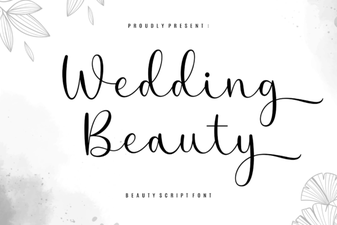 Wedding Font Ideas for Elegant Design Projects
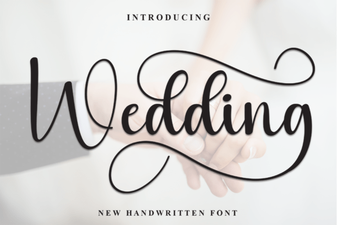 Wedding Fonts for Creative Invitation Designs
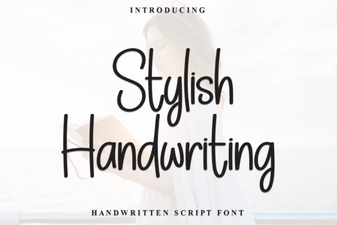 Creative Project Ideas with Stylish Handwriting Fonts
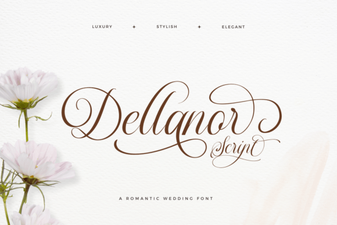 Dellanor Script Font: Elegance for Digital Designs
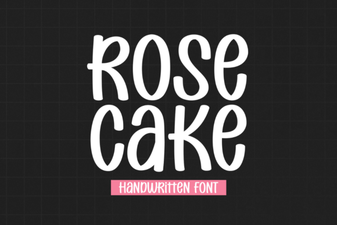 Designing Elegant Projects with Rose Cake Font
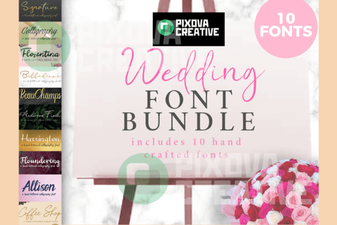 Creative Wedding Projects: 10 Perfect Font Bundles